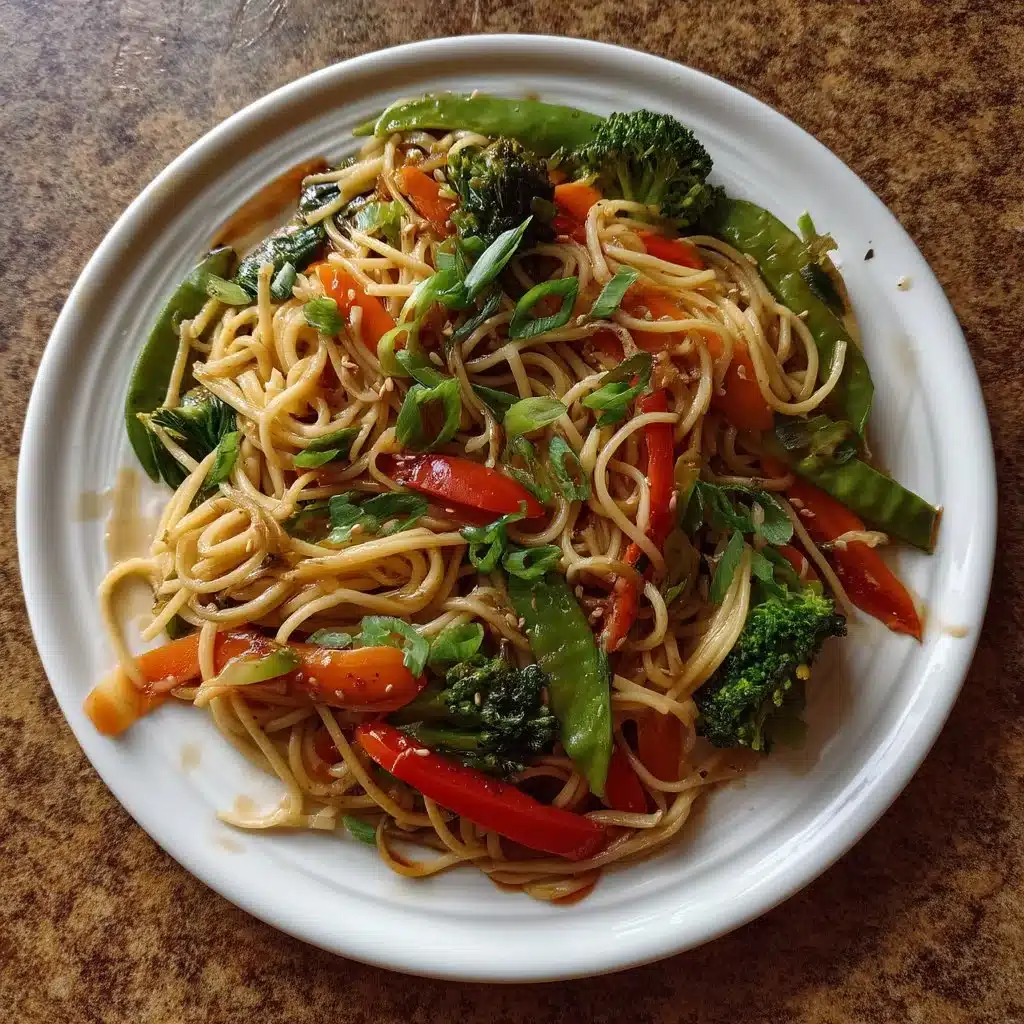
Vegetable Lo Mein using Whole Wheat Spaghetti
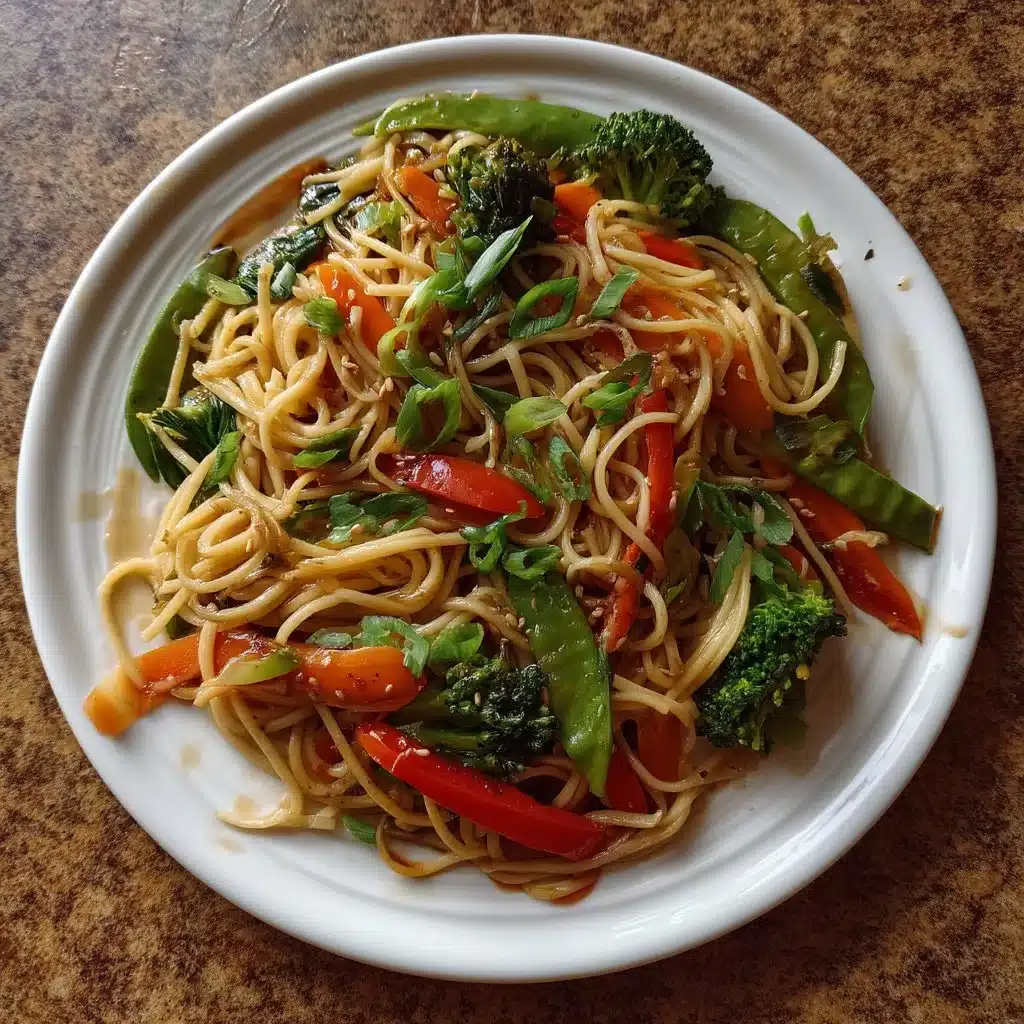
Craving comfort food that actually does something good for you? This Vegetable Lo Mein swaps in whole wheat spaghetti and a rainbow of sneaky veggies so you get that cozy, takeout-style bowl without the crash or the empty carbs. The secret: whole wheat pasta brings fiber and staying power, while the veggies slide in prebiotic goodness so you feel nourished, not sluggish. If you like smart swaps like this, you might also enjoy my Lentil Bolognese for another fiber-forward favorite.
Why Your Gut Will Love This
- Whole wheat spaghetti adds more soluble and insoluble fiber than regular pasta, which helps steady blood sugar and keeps digestion moving smoothly.
- Mixed vegetables (carrots, bell peppers, broccoli, snap peas) bring prebiotic fibers that feed the friendly bacteria in your gut.
- Ginger and garlic support gentle digestion and can soothe an upset tummy without being harsh perfect for a comforting meal.
- Using natural savory flavors (soy sauce, sesame oil) keeps the dish satisfying so you’re less likely to reach for sugary or salty snacks afterward.
Ingredients Notes
- Whole wheat spaghetti A higher-fiber swap for classic lo mein noodles; it helps you feel full longer and supports regularity.
- Mixed vegetables (carrots, bell peppers, broccoli, snap peas) Colorful, crunchy, and full of prebiotic fiber to nurture your gut bacteria.
- Soy sauce Brings umami and depth; use low-sodium if you’re watching salt but it’s still the simplest flavor shortcut.
- Sesame oil A little goes a long way for toasty, nutty flavor that makes the dish feel indulgent.
- Garlic A natural prebiotic with bold flavor; it’s one of my sneaky ways to boost gut-friendly compounds.
- Ginger Fresh ginger helps with digestion and adds a warm, bright note that keeps the lo mein feeling light.
- Green onions Fresh, crisp garnish that adds color and a mild oniony lift to each bite.
Step-by-Step Instructions
- Bring a large pot of salted water to a boil and cook the whole wheat spaghetti according to the package directions until al dente. Drain, give it a quick toss with a splash of sesame oil (optional) to keep strands from sticking, and set aside. Don’t worry if the pasta feels a little firm whole wheat softens nicely when tossed with the vegetables.
- Heat a large skillet or wok over medium heat and add the sesame oil. Let it get warm but not smoking, so the flavor blossoms.
- Add the minced garlic and grated or thinly sliced ginger to the skillet and sauté for about 30 seconds until fragrant this is where the aromatic base forms, so be patient and don’t let it burn.
- Toss in the mixed vegetables and stir-fry, keeping the pan moving, until they’re tender-crisp (about 3–5 minutes depending on how soft you like them). If you prefer softer broccoli, give it an extra minute or two.
- Add the cooked spaghetti to the skillet, folding it into the vegetables so everything mingles. If it looks a bit dry, add a tablespoon of water or a splash of reserved pasta water to loosen things up.
- Pour in the soy sauce and toss everything together until the noodles are evenly coated and heated through taste and add a little more soy sauce if you want a deeper savory note.
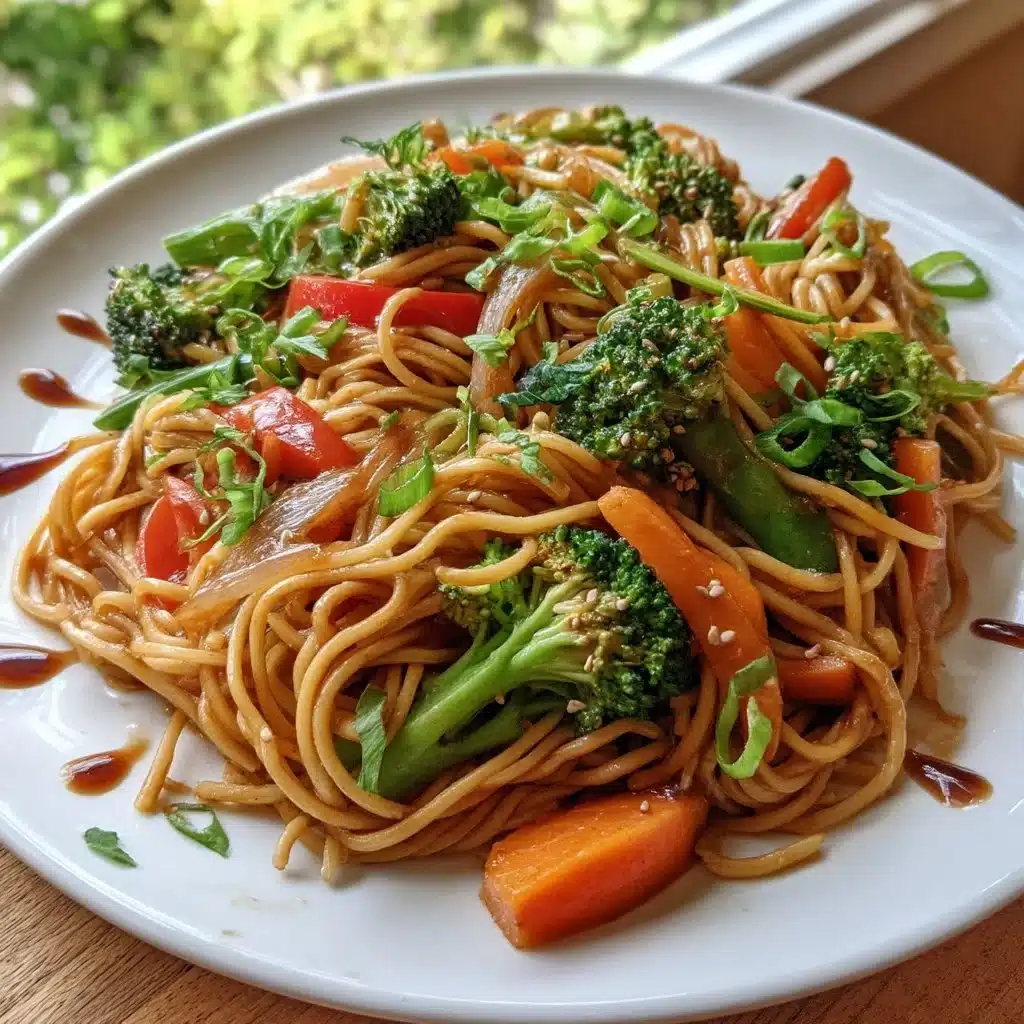
- Finish by scattering chopped green onions over the top and serve warm. If it looks a little messy here, that’s normal the mix of textures is what makes it comforting and satisfying.
Rose’s Tips for Success
- Texture tip: For tender-crisp veggies, start with the hardest ones (like carrots and broccoli) and add delicate ones (snap peas, bell peppers) later so nothing overcooks.
- Pasta tip: Cook whole wheat spaghetti just to al dente overcooking makes it mushy. If needed, reserve 1/4 cup pasta water to revive the sauce and keep everything glossy.
- Flavor swaps: If you want a lighter salt profile, use less soy sauce and finish with a little extra green onion for brightness instead of more sodium.
Serving & Storage
Serve this lo mein straight from the skillet for best warmth and texture, garnished with green onions. It makes a great weeknight dinner and also reheats well store in an airtight container in the fridge for 3–4 days. To reheat, warm gently in a skillet over medium-low heat with a splash of water to loosen the noodles. You can freeze leftovers, but the texture of whole wheat pasta softens after freezing; if you do freeze, use within 1–2 months and thaw overnight in the fridge before reheating.
Frequently Asked Questions
Q: Will the whole wheat spaghetti make the dish heavy or gritty?
A: Not if you cook it al dente. Whole wheat has more texture than refined pasta, which gives this lo mein extra bite and fiber just avoid overcooking and toss with a little oil or pasta water so it stays silky.
Q: How can I keep the vegetables from getting soggy?
A: Stir-fry over medium-high heat and add vegetables in stages harder ones first, softer ones last. Don’t overcrowd the pan so they have room to sear instead of steam.
Q: I’m watching sodium can I still make this flavorful?
A: Yes. Reduce the soy sauce and boost flavor with more garlic and ginger, plus extra green onions at the end. A small splash of pasta water helps distribute flavor without adding salt.
Conclusion
For another take on a veggie-forward lo mein you can compare notes with, check out the Easy Vegetable Lo Mein – Eat With Clarity.