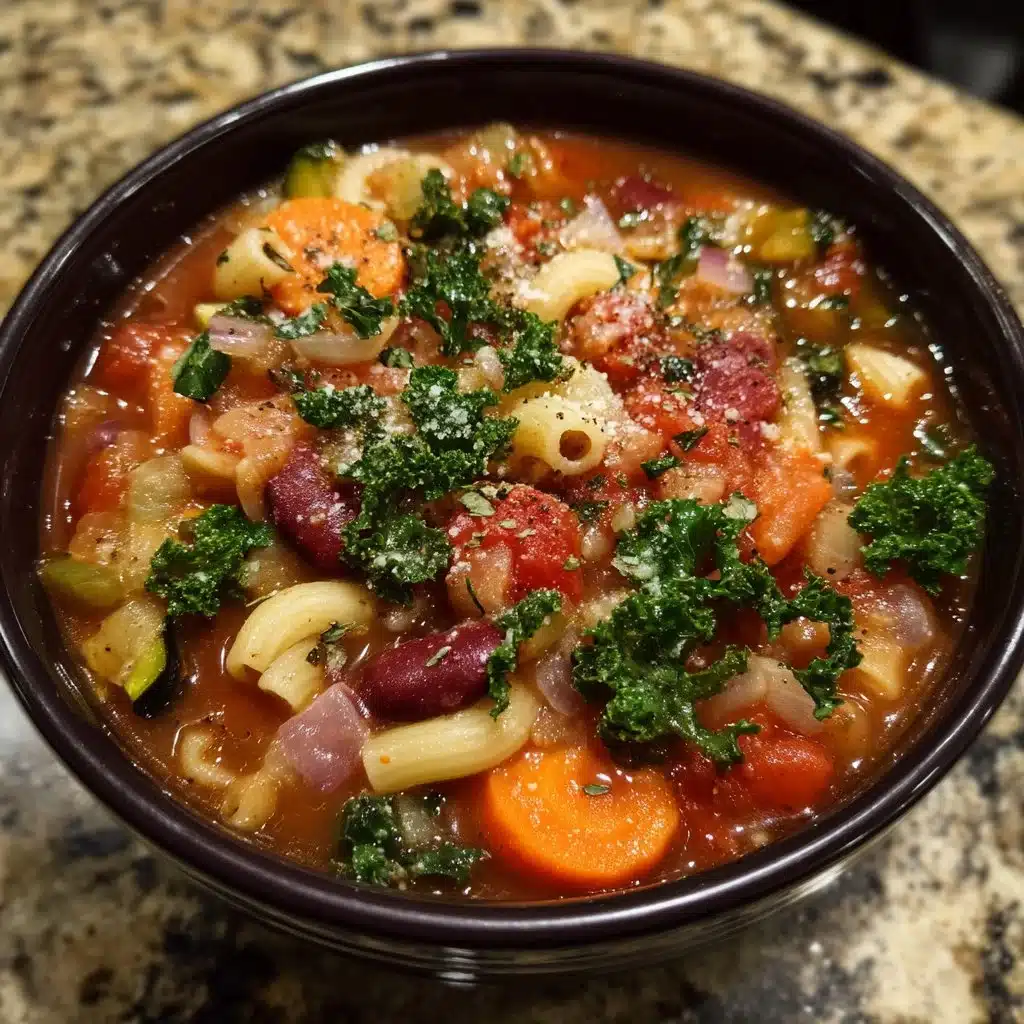
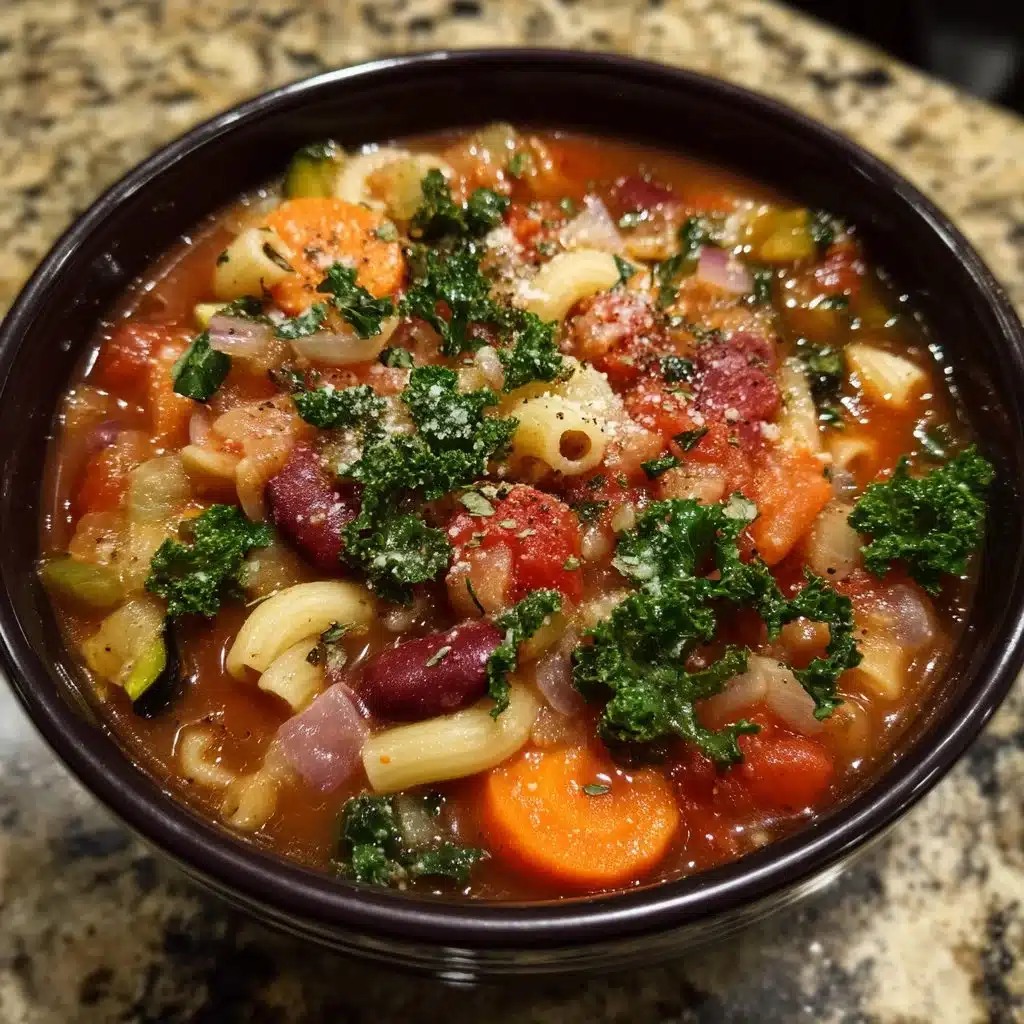
Kitchen Sink Minestrone Soup
I know the craving: warm bowl, cozy steam, spoon that just makes everything feel right. This Kitchen Sink Minestrone is that hug in a bowl — but with a secret: it’s packed with sneaky fiber and veggies so it comforts your soul and your gut. Better than the carton from the store, this version is fresher, less salty, and full of real ingredients you recognize (and your body will thank you for). If you love cozy, nourishing bowls, you might also enjoy my roundup of creamy soup recipes for cozy nights for more inspiration.
Why Your Gut Will Love This
- High-fiber beans: Kidney beans add both soluble and insoluble fiber to help feed friendly gut bacteria and keep digestion moving smoothly.
- Sneaky veggies: Zucchini, carrots, celery and leafy greens tuck in nutrients and fiber without stealing the show — perfect for picky eaters or anyone avoiding a veggie revolt.
- Steady energy: The pasta plus beans give a satisfying mix of carbs and protein that prevents quick sugar crashes and mid-afternoon slump.
- Low inflammation choices: Using olive oil and lots of vegetables keeps this broth light and digestion-friendly compared with heavy cream-based soups.
Ingredients Notes
- 1 tablespoon olive oil
- 1 onion, chopped
- 2 cloves garlic, minced
- 2 carrots, diced — Adds natural sweetness and extra fiber for gentle digestion.
- 2 celery stalks, diced
- 1 zucchini, diced — A mild, watery veg that sneaks in fiber and bulk without changing the flavor.
- 1 cup chopped kale or spinach — Leafy greens are prebiotic-rich and great for gut-friendly microbes.
- 1 can (14.5 ounces) diced tomatoes
- 4 cups vegetable broth
- 1 can (15 ounces) kidney beans, drained and rinsed — A fiber-and-protein powerhouse that keeps you full and nourished.
- 1 teaspoon dried oregano
- Salt and pepper to taste
- 1 cup pasta (e.g., small shells or elbow macaroni)
- Grated Parmesan cheese for serving (optional)
Step-by-Step Instructions
- Warm a large pot over medium heat and add the olive oil. Toss in the chopped onion and minced garlic and sauté until the onion feels soft and translucent — about 4–5 minutes. Don’t rush this step; it builds the soup’s base flavor.
- Add the diced carrots and celery to the pot. Cook and stir for about 5 minutes until they begin to soften. If it looks a little messy, that’s perfect — flavor is forming.
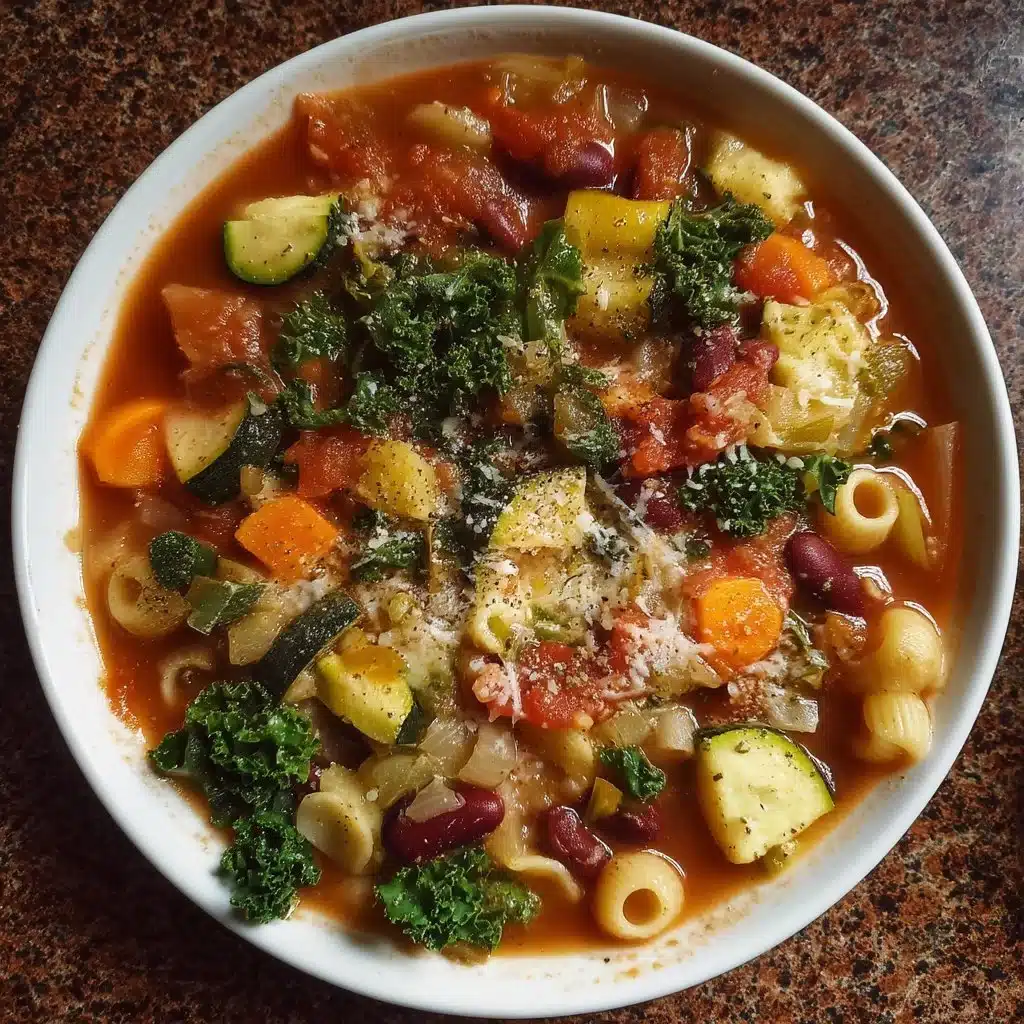
- Stir in the diced zucchini, chopped kale or spinach, diced tomatoes (with their juices), vegetable broth, drained kidney beans, and the dried oregano. Season with a little salt and pepper. Bring everything to a gentle boil, then reduce heat and let it simmer for 8–10 minutes so flavors meld.
- Pour in the pasta and cook according to the package directions until al dente — usually 7–10 minutes. If you like the pasta softer, give it a couple more minutes; remember pasta will keep absorbing broth as it sits.
- Taste and adjust seasoning as needed. Ladle into bowls and top with grated Parmesan if you like. Serve hot and enjoy the cozy, satisfying bowl.
Rose’s Tips for Success
- Texture control: If you prefer a thicker soup, mash a few beans against the side of the pot with a spoon before adding the pasta — it creates a naturally creamy body without cream.
- Pasta patience: If you plan to have leftovers, cook the pasta slightly under al dente so it doesn’t turn mushy the next day.
- Ingredient swaps: Out of kale? Spinach works beautifully and wilts quickly — add it right at the end. For a heartier grain, try a small amount of farro or barley in place of pasta and extend the simmering time.
- Want another cozy bowl idea? My take on creamy mushroom and wild rice soup is a comforting sibling to this minestrone when you’re in the mood for something rich and earthy.
Serving & Storage
Serve this soup steaming hot with a sprinkle of Parmesan and a slice of crusty bread if you like. It’s a wonderful one-pot dinner on busy nights and excellent for spooning into thermoses for lunches.
- To refrigerate: Cool to room temperature and store in an airtight container for up to 4 days. Reheat gently on the stove so the pasta and beans keep their texture.
- To freeze: For best results, freeze the soup without the pasta (it can get gummy). Freeze in airtight containers for up to 3 months. Thaw overnight in the fridge and gently reheat, then add freshly cooked pasta if desired.
Frequently Asked Questions
- Will the pasta make the soup gummy if I save leftovers?
Yes, pasta tends to absorb liquid and soften over time; for leftovers, cook the pasta separately and add just before serving to keep the texture lively. - Can I use canned greens or frozen vegetables?
Fresh is best for texture, but frozen veggies (like spinach) work fine — add frozen greens a few minutes before the end of cooking so they don’t become watery. - How can I make the soup less salty if my broth is salty?
Add more low-sodium vegetable broth or a splash of water and a squeeze of lemon to brighten flavors; taste and adjust seasoning at the end.
Conclusion
This Kitchen Sink Minestrone is comfort food with a purpose — hearty, homey, and quietly packed with fiber and veggies so your gut feels cared for with every spoonful. For another inspired, resourceful take on minestrone that focuses on reducing waste while boosting flavor, check out Zero Waste Minestrone Soup – Mom’s Kitchen Handbook.