
Millet Porridge
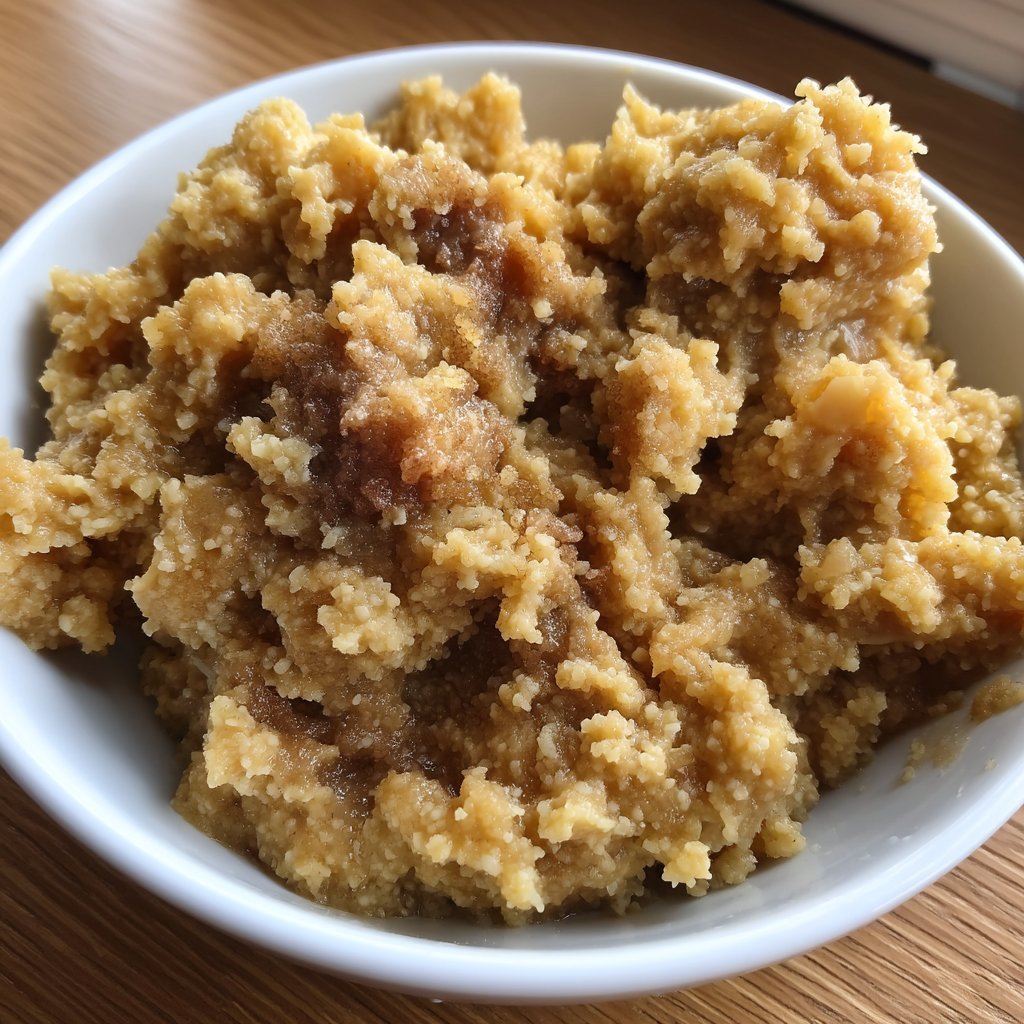
Some mornings you want something cozy, warm, and utterly comforting — but without the sugar crash or bloat that can follow a bowl of store-bought cereal. That’s where this creamy millet porridge comes in: a simple, soothing breakfast that’s secretly doing good things for your gut. The “secret” twist? Millet is a naturally fiber-rich grain that plays nicely with milk or water and doubles as a gentle, gluten-free base for any topping you love. Homemade porridge also lets you dial back sweeteners and control texture so you won’t end up with the cloying, overly-sweet texture of many packaged porridges.
Why Your Gut Will Love This
- Millet is a gentle, whole grain that provides steady, soluble fiber to feed friendly gut bacteria and help prevent mid-morning blood sugar dips.
- Using water or milk (dairy or non-dairy) keeps the bowl flexible for your digestion needs — choose the one your body prefers to reduce bloating.
- Light on added sugar by design: you sweeten to taste, so you avoid the hidden sugars that can upset digestion and energy levels.
- Toppings like fruit, nuts, and seeds add extra fiber, healthy fats, and texture without overwhelming your stomach.
Ingredients Notes
- 1 cup millet — The star: small, naturally nutty grain that’s high in fiber and friendly to sensitive stomachs.
- 4 cups water or milk (dairy or non-dairy) — Use what you tolerate best; plant milks add creaminess while water keeps it very light.
- 1/4 teaspoon salt — Enhances the millet’s natural flavor and balances sweetness.
- Sweetener (honey, maple syrup, or sugar) to taste — Keeps sweetness flexible so you can avoid over-sugaring your bowl.
- Toppings (fruits, nuts, seeds, or spices) of your choice — Adds fiber, crunch, and flavor; think berries, sliced banana, chopped nuts, chia or flax seeds, and a sprinkle of cinnamon.
Step-by-Step Instructions
- Rinse the millet under cold water. This removes any dust and helps the grains cook up fluffier — don’t skip this quick rinse.
- In a saucepan, combine the millet, water or milk, and salt. Give it a gentle stir so the grains are evenly distributed.
- Bring to a boil over medium heat. Keep an eye on it so it doesn’t foam over — stir once or twice as it heats.
- Reduce heat to low, cover, and simmer for 20–25 minutes, or until the millet is tender and the liquid is absorbed. Be patient here; millet needs steady, gentle heat to become creamy.
- Remove from heat and let it sit covered for 5 minutes. This resting time lets the porridge finish steaming and settle into a creamy texture.
- Fluff with a fork and add sweetener to taste. Start with a little and add more if you need it — the goal is a balanced, not overly sweet, bowl.
- Serve warm with your choice of toppings. Don’t worry if it looks a bit loose at first — toppings and a few minutes will bring it together beautifully.
Rose’s Tips for Success
- For creamier porridge, swap half the water for milk (or all milk if you prefer) and stir a couple of times during simmering to release starches.
- If your millet finishes with a bit too much liquid, return to low heat uncovered for a minute or two while stirring to thicken; if it’s too dry, gently stir in a splash of milk or hot water.
- Mix in ground seeds (like flax or chia) after cooking for an extra fiber boost that helps keep you full and supports digestion.
Serving & Storage
Serve millet porridge warm with a scatter of fresh fruit, a handful of nuts or seeds, and a drizzle of your favorite sweetener. For a cozy twist, sprinkle cinnamon or nutmeg. Leftovers keep well: store in an airtight container in the fridge for up to 4 days. To reheat, add a splash of milk or water and warm gently on the stovetop or in the microwave, stirring to restore creaminess. You can also freeze portions in freezer-safe containers for up to 1 month — thaw overnight in the fridge and reheat with a little extra liquid.

Frequently Asked Questions
Q: Will millet porridge be grainy or smooth?
A: Millet cooks into a mildly textured, slightly creamy porridge — rinsing first and letting it rest covered after cooking helps create a smoother bowl.
Q: How sweet should I make it if I’m watching sugar?
A: Start with a teaspoon of sweetener, taste, and add more only if needed; fresh fruit toppings add natural sweetness and reduce the need for added sugar.
Q: Can I make this with water only to keep it lighter?
A: Absolutely — using just water makes a lighter, more digestible porridge; add a splash of milk when reheating for extra creaminess if you like.
Conclusion
If you want a comforting breakfast that quietly supports your gut, this millet porridge is a lovely place to start — warm, customizable, and full of sneaky fiber. For another tried-and-true take, you might enjoy this Millet Porridge recipe on Food.com, which offers extra ideas for toppings and texture tweaks.