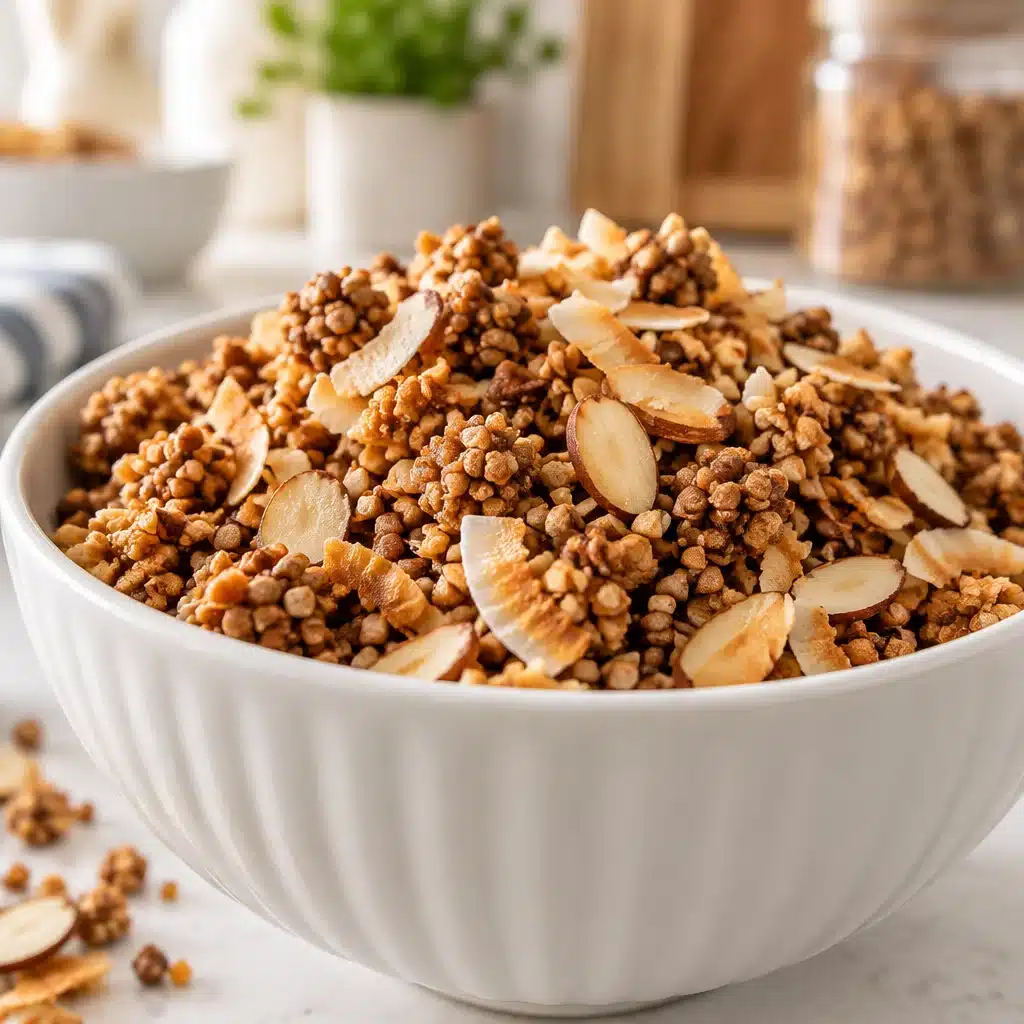
Crispy Coconut and Almond Homemade Buckwheat Granola
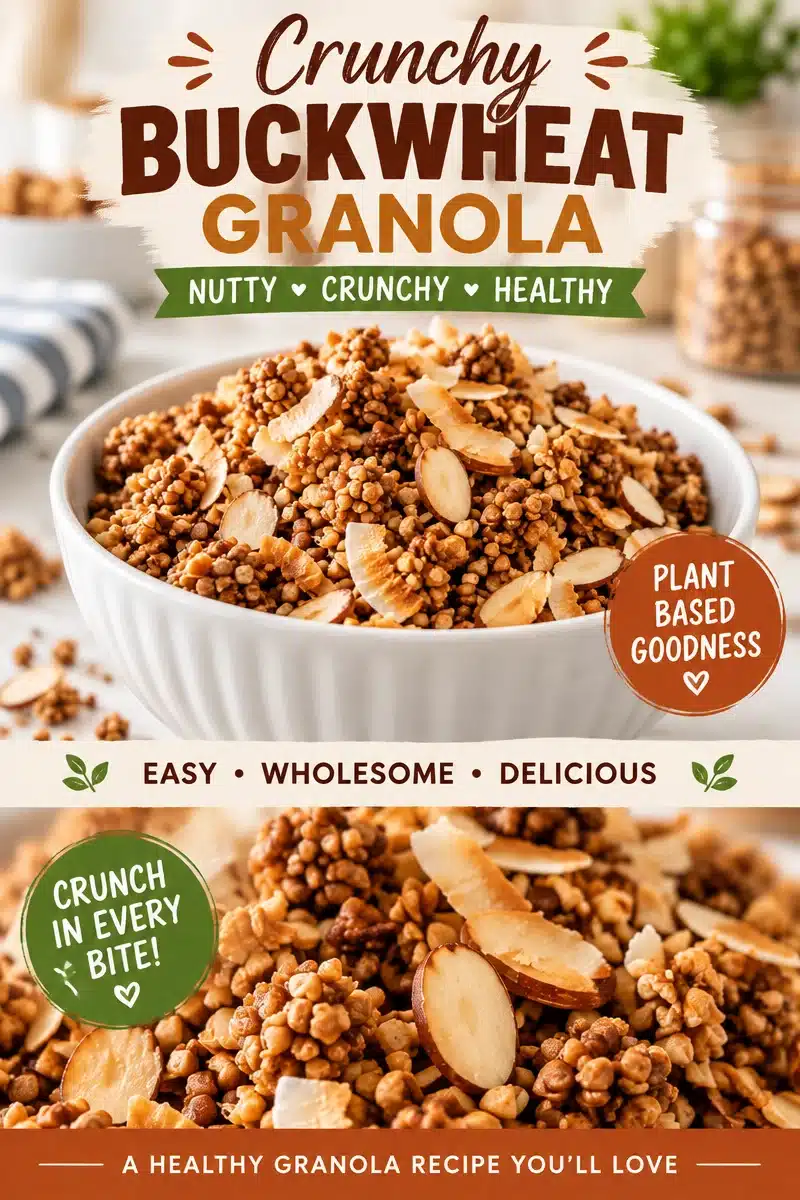
Homemade Buckwheat Granola with Coconut and Almonds is my go to fix for those mornings when I want something crunchy and satisfying, but I do not want to think too hard. You know the vibe: you open the pantry, stare for a second, and everything feels either too sugary or too bland. This granola hits that sweet spot where it tastes like a treat but still feels like real food. It is crispy, lightly sweet, and smells amazing while it bakes. Also, it is one of those recipes that makes your kitchen feel cozy in a very low effort way. 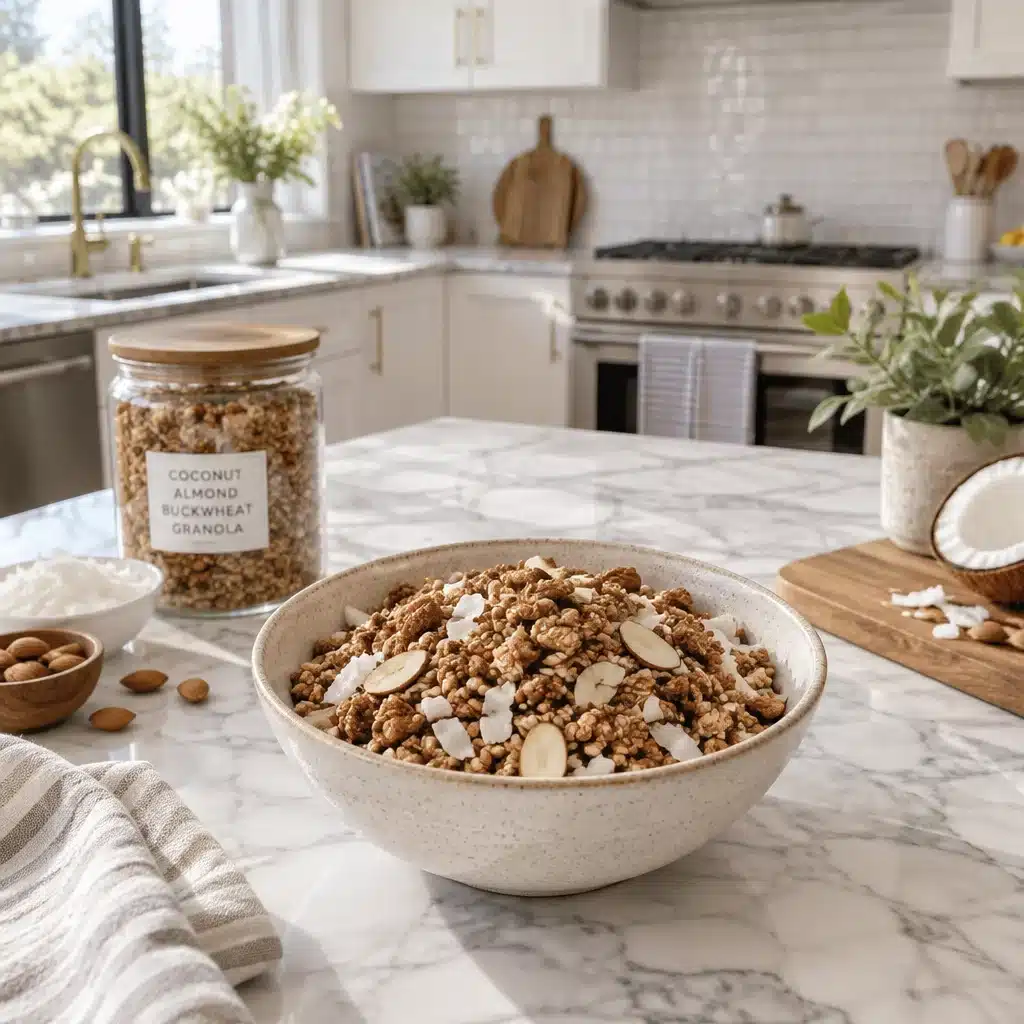
Buckwheat Granola Recipes Variations
Before we get into all the tweaks, let me quickly say this: Homemade Buckwheat Granola with Coconut and Almonds is forgiving. I have made it on tired weekdays, I have made it while half listening to a podcast, and it still turned out great. Buckwheat is the star here. It gets toasty and crisp, and it does not need fancy steps.
Here is the base version I make most often.
My go to ingredient list
- Raw buckwheat groats (not buckwheat flour)
- Unsweetened shredded coconut
- Sliced or chopped almonds
- Olive oil or melted coconut oil
- Maple syrup or honey
- Vanilla extract
- Cinnamon and a pinch of salt
If you want to make it your own, these variations work really well without messing up the crunch.
Chocolate version: Add 1 to 2 tablespoons cocoa powder with the dry ingredients. Then toss in chocolate chips after it cools completely.
Spiced version: Add ginger, nutmeg, or pumpkin spice. I do this in fall and suddenly breakfast feels exciting again.
Nut free version: Skip almonds and use pumpkin seeds or sunflower seeds. Still crunchy, still satisfying.
Extra clumpy version: Press the mixture down firmly on the pan and do not stir too often while it bakes.
And if you are already thinking about how to use it for a snack or dessert, you should check out this recipe for frozen yogurt bark with berries and granola. It is basically the easiest way to turn granola into a grab and go treat.

Tips for Perfect Granola
Let us talk about the little things that make Homemade Buckwheat Granola with Coconut and Almonds actually crispy, not sad and chewy. I learned a few of these the hard way, like when I got impatient and cranked the heat up. Spoiler: the coconut burned, and the whole batch tasted like campfire sadness.
The small steps that make a big difference
Use low to medium heat. Granola needs time, not drama. Around 325°F usually works well.
Line your pan. Parchment paper saves you from stuck syrupy bits and makes cleanup so easy.
Stir once, maybe twice. If you stir constantly, you break up the clusters. If you never stir, the edges can get too dark. I usually stir once halfway through.
Let it cool completely. This is the hardest part. Granola gets crisp as it cools. If you taste it hot, it might seem soft, but give it time.
Watch the coconut. Coconut toasts fast. If your oven runs hot, check it early.
One more thing I do: I keep the layer on the baking sheet fairly even, not too thick. If it is piled up, it steams instead of toasts. We want toast.
“I made this on Sunday and it actually stayed crunchy all week. I thought homemade granola always went soft, but this one did not. My kids kept sneaking handfuls from the jar.”
And if you are like me and love planning simple meals around what is already in the fridge, this baked cod with tomatoes and olives is a solid dinner to balance out all the snacking that happens when there is fresh granola on the counter.

Health Benefits of Buckwheat
First, quick clarification: buckwheat is not wheat. It is actually a seed, and it is naturally gluten free. I still always recommend checking labels for cross contamination if you are sensitive, but buckwheat itself is not the problem ingredient people assume it is.
What I like about buckwheat in granola is that it feels hearty without being heavy. It is the kind of breakfast that keeps you full, and I notice I snack less mid morning when I start the day with it.
Here are a few simple reasons buckwheat is worth keeping in your pantry:
It has fiber, which helps you feel satisfied.
It has plant protein, which is great for breakfast when you want something more than just carbs.
It brings minerals like magnesium and manganese, which your body uses for a bunch of everyday functions.
It has a nutty flavor that gets even better when toasted.
And yes, Homemade Buckwheat Granola with Coconut and Almonds can absolutely fit into a balanced week of eating. I think the key is keeping the sweetness reasonable and using good ingredients you recognize.
Suggested Add-ins for Granola
This is the fun part, because once you have the base down, you can make a different jar every week without changing the method. I usually pick one fruit add in and one extra crunch add in, and call it a day.
Here are my favorites, broken down by when to add them.
Add before baking (these toast well):
Chopped pecans, walnuts, hazelnuts, sunflower seeds, pumpkin seeds, sesame seeds.
Add after baking (these can burn or get weird in the oven):
Dried cherries, dried cranberries, raisins, chopped dried apricots, cacao nibs, chocolate chips, banana chips.
Extra flavor ideas:
Orange zest, lemon zest, cardamom, a tiny pinch of flaky salt on top after baking, or a spoonful of almond butter stirred into the wet mixture for richness.
If you want it a bit more dessert like, try stirring in mini dark chocolate chips after it cools. Then try not to eat it straight from the jar. I am not saying it is impossible, but it is a challenge.
Serving Ideas and Pairings
I make Homemade Buckwheat Granola with Coconut and Almonds for breakfast, but it honestly shows up in my day in a bunch of ways. Some days I want a simple bowl, other days I want something that feels like a little snack plate situation.
Here are a few easy ways to serve it.
- Classic yogurt bowl with Greek yogurt, berries, and a drizzle of honey
- Milk and granola like a cereal, especially good with oat milk
- Sprinkle on fruit like sliced bananas or peaches for quick crunch
- Top a smoothie so it is not just a drink, it becomes real breakfast
- Peanut butter toast topper, yes really, it adds the best texture
If you are planning lunches and want something fresh and bright to go with your week, I love pairing a crunchy breakfast routine with a simple lunch like this barley salad with lemon and feta. It is one of those meals that makes you feel like you have your life together, even if you do not.
Common Questions
Can I use toasted buckwheat (kasha) instead of raw groats?
You can, but the flavor will be stronger and it can brown faster. If you use kasha, watch the bake time closely and consider lowering the oven temp a bit.
How do I store it so it stays crunchy?
Let it cool completely, then store it in an airtight jar or container. If your kitchen is humid, add a little silica packet meant for food storage or keep it in a cooler pantry spot.
Why did my granola turn out soft?
Usually it is one of three things: the pan was overcrowded, it was not baked long enough, or it was packed away before fully cooled. Cooling is a big deal for crispness.
Can I make it vegan?
Yes. Use maple syrup instead of honey and choose a plant based oil like coconut oil or olive oil.
Is this actually gluten free?
Buckwheat is naturally gluten free, but you should buy buckwheat groats labeled gluten free if you need to avoid cross contamination.
A crunchy little habit worth keeping
If you want one recipe that makes mornings easier, Homemade Buckwheat Granola with Coconut and Almonds is the one I would pick. It is simple, flexible, and it makes the house smell like toasted coconut in the best way. Once you make a batch, you can mix and match add ins based on what you have, and you will never feel stuck with boring breakfast again. If you want another solid take on buckwheat granola for inspiration, I also like Everyday Buckwheat Granola – Minimalist Baker for more ideas. Now go grab that baking sheet, and give it a try this week, your future sleepy self will thank you.